
Energy
Compressed Biogas from Raw Biogas
How CCDC's Genosorb® absorption process upgrades raw biogas to +99% pure compressed biogas while recovering hydrogen sulphide as elemental sulphur — a scalable, India-made technology built for India's SATAT bio-CNG programme, scaling from 50 to 40,000 m3/hr.
H₂S is not a problem. It is an asset.
India’s annual availability of biomass feedstock is immense, totalling approximately 308 million tonnes (MT) — including 122.27 MT of rice straw, 109.52 MT of wheat straw, roughly 1,000 MTA of dung from 300 million cows and buffaloes, and 8 MTA of litter from 500 million poultry birds, on top of municipal solid waste and industrial waste such as press mud and slops from sugar mills. The potential is enormous.
India’s biogas opportunity
The estimated compressed biogas (CBG) potential from various sources in India is nearly 62 MMT, with a bio-manure generation capacity of 370 MMT. CBG is envisaged to be produced from a range of biomass and waste sources, including agricultural residue, municipal solid waste, sugarcane press mud, distillery spent wash, cattle dung and sewage-treatment-plant waste.
Other waste streams can also be used to generate biogas: rotten potatoes from cold storage, rotten vegetables, dairy-plant waste, chicken and poultry litter, food waste, horticulture waste, forestry residues, and industrial effluent-treatment plants (ETPs) treating organic waste.
Realising this potential calls for around 5,000 bio-CNG plants nationwide. The residue from biogas can be used as manure and a soil improver — an approach that delivers both environmental and social benefits to the community while contributing to a more sustainable economy.
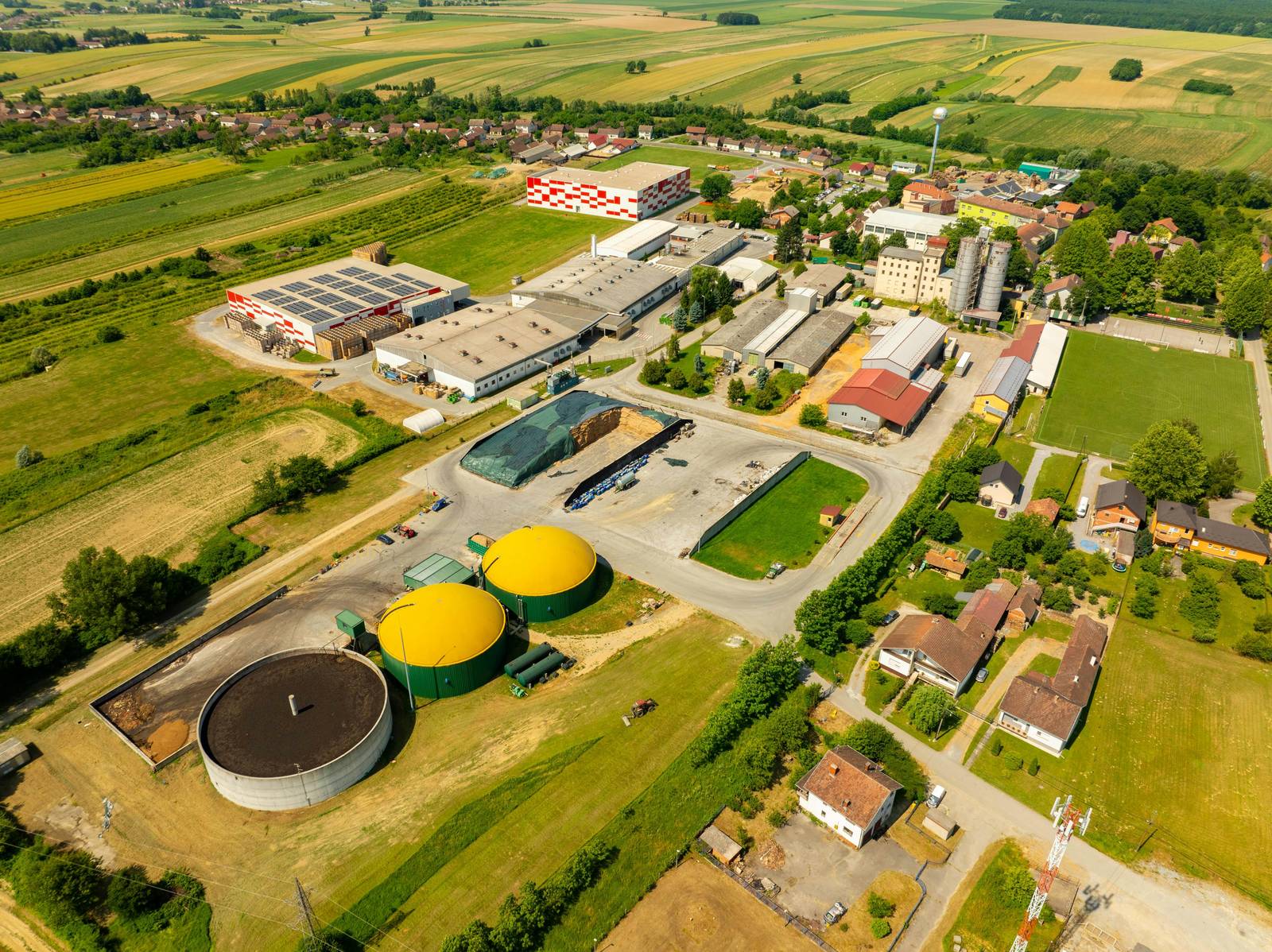
A number of plants have been set up or are under construction. After the first step of anaerobic digestion, the biogas generated is purified by removing two main impurities: carbon dioxide and hydrogen sulphide. Four technologies have been used so far — water wash, adsorption/pressure-swing technology, amine absorption and membrane separation — and each has certain drawbacks.
Commercial Chemical and Development Company, with more than three decades of experience in gas purification and volatile-organics recovery from gas streams, offers a sustainable, scalable process for upgrading biogas to compressed biogas of +99% purity, with recovery of hydrogen sulphide as elemental sulphur. CCDC is committed to delivering low-carbon energy solutions, supporting India’s transition to cleaner, more sustainable energy. The technology also supports India’s SATAT (Sustainable Alternative Towards Affordable Transportation) initiative: it is efficient, scalable, and locally designed and manufactured to international standards.
The process
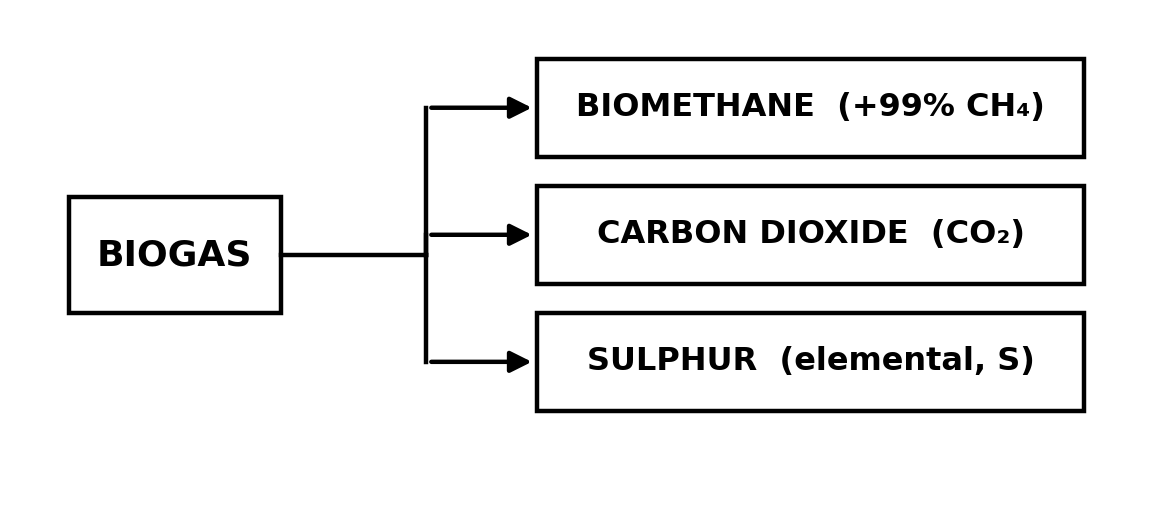
The process is based on Genosorb®, a physical absorbing liquid and a versatile product of Clariant AG, which produces and supplies sustainable chemical solutions globally for industries ranging from personal care and agriculture to energy, plastics, oil & gas, catalysts and absorbents. Genosorb® is tailored for the absorption of an extensive array of polar and non-polar volatile chemicals, as well as CO₂, H₂S, SO₂ and more.
The upgrading process is continuous and can accommodate variable flow rates and compositions while maintaining quality. Integrated with the conversion of hydrogen sulphide to sulphur, it results in a technology that is steps ahead on the road to sustainability.
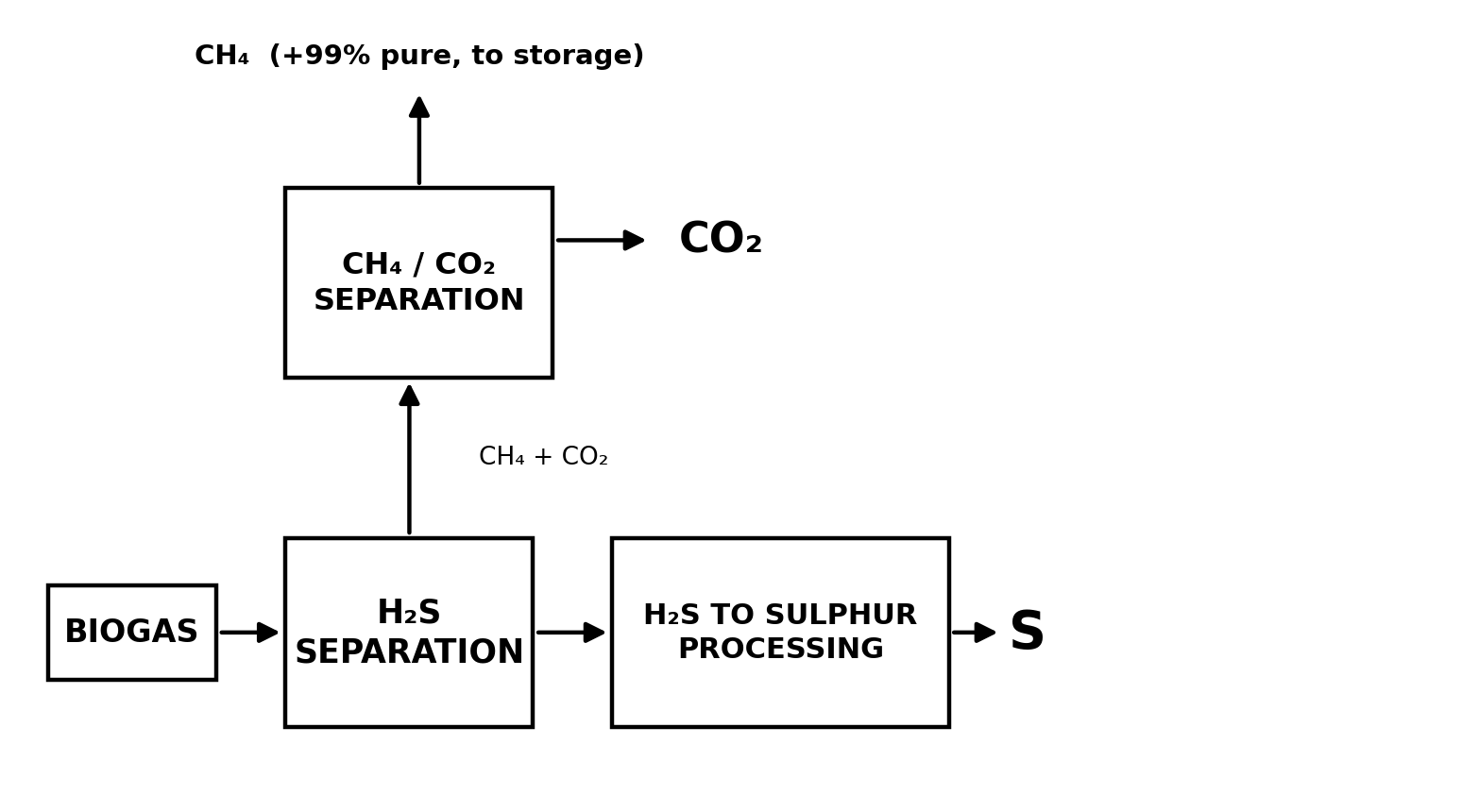
Clean biogas is compressed and goes to the H₂S separator, where H₂S is separated from CH₄ and CO₂. At this stage, all moisture and any other sulphur compounds — such as COS and mercaptans — are also removed. The CO₂ and CH₄ gas, now free of H₂S, goes to a section operating under conditions in which only CO₂ is removed, and methane of +99% purity goes to storage.
The H₂S-rich stream is processed to remove H₂S in gaseous form, and the H₂S-free Genosorb® is recycled. This H₂S stream is reacted with a chemical solution in a continuous reactor. The H₂S-rich solution is aerated to yield sulphur powder, and the chemical solution is recycled. The sulphur powder is dried and is of high purity. Certain conditions must be maintained to prevent deactivation of the solution: the processes are mostly carried out between 25°C and 75°C, at pressures of 4–7 kg/cm².
Advantages
- Removes H₂S and all sulphur compounds (COS, mercaptans, etc.) to ppm level, and also removes moisture.
- Methane loss can be 1.5–3.5% or lower — there is a trade-off between capex/opex cost and methane slip.
- No pre-treatment, such as moisture or H₂S removal, is needed.
- Operates at varying flow rates while maintaining biomethane purity.
- Genosorb® loss is limited to under 2% of inventory per year.
- No water pollution from absorbing H₂S in caustic or other chemical solutions and draining it.
- H₂S is recovered as sulphur at low operating cost.
- Designed, engineered and fabricated in India.
- Skid-mounted and erected in the open; no covered shed is required. Fully instrumented, with PLC-controlled automation and data acquisition.
- Low operating pressure of approx. 4–7 bar, so low power consumption.
- Small utility requirements — power, cooling water, refrigeration and steam.
- Scalable: designed and engineered from 50 m³/hr to 40,000 m³/hr. The design can also handle multiple sources, for example two adjacent biogas plants.
Comparison of processes
H₂S removal. The table below compares common H₂S removal methods on efficiency, capital cost, operating and maintenance cost, and waste generated.
| Method | Efficiency | Capex | O & M | Waste generated |
|---|---|---|---|---|
| Biological fixation | Moderate | Moderate | Low | Low |
| Iron chloride dosing | Moderate | Low | Moderate | Yes |
| Water scrubbing | High | High | Moderate | Yes |
| Activated carbon | High | High | Moderate | Yes |
| Iron hydroxide | High | Moderate | High | Yes |
| Sodium hydroxide | High | Moderate | High | Yes |
| Genosorb® | High | High | Low | Sulphur recovery |
CO₂ separation. Passive methods are pressure-swing adsorption (PSA), or its variant vacuum pressure-swing adsorption (VPSA), and membrane separation. The active-media systems are water absorption, amine absorption and Genosorb® absorption. The table below sums up the major process differences.
| Process | Pre-treatment H₂S removal | Moisture removal by refrigeration | Refrigeration in process | Process steam |
|---|---|---|---|---|
| PSA / VPSA | Yes | Yes | No | No |
| Water wash | Yes | No | No | No |
| Membrane | Yes | Yes | No | No |
| Amine | No | No | No | Yes |
| Genosorb® | No | No | Yes | Yes |
An illustrative process: 1,000 m³/hr of biogas
Feed biogas: H₂S 2.5–2.8%, CO₂ 37–38%, CH₄ 60–61%.
- Biomethane yield: approx. 98%.
- Sulphur yield: approx. 980 kg/day.
- Steam consumption: approx. 0.6 kg/m³.
- Electricity consumption: approx. 0.24 kWh/m³, including compression to process pressure and refrigeration.
- Sulphur recovery: approx. 0.069 kg/m³, i.e. approx. 980 kg/day.
At current valuation, that sulphur is worth approximately Rs 49,000 per day; at normal valuation, approximately Rs 14,700 per day.
Biomethane quality is Euro pipeline grade and exceeds the BIS IS 16087:2016 specification. The Genosorb® process is competitive with other processes: no pre-treatment is required, sulphur recovery adds value, and the liquid pollution load is almost negligible.
Led by decades of process engineering
The company is headed by Dr D M Mohunta, with about five decades of experience. His contributions to mass transfer in packed-column operations and chemical process engineering have advanced industry standards, and his research — addressing key challenges in heat and mass transfer, thermodynamics and gas–liquid interaction — has been widely cited. He has also authored monographs on phosphorus-based fire retardants, engineering plastics, phosgene chemistry and safety, and supercritical CO₂ extraction of natural products.
Beyond research, Dr Mohunta has mentored generations of chemical engineers, shaping the future of the profession. His dedication to innovation and excellence continues to inspire colleagues and students alike.
A sustainable, economic process that monetizes waste
Need more information? Get in touch with data on your location and details of your processing needs, and we can advise on fit and scale — email dmm@ccdcindia.com or use our contact form.